
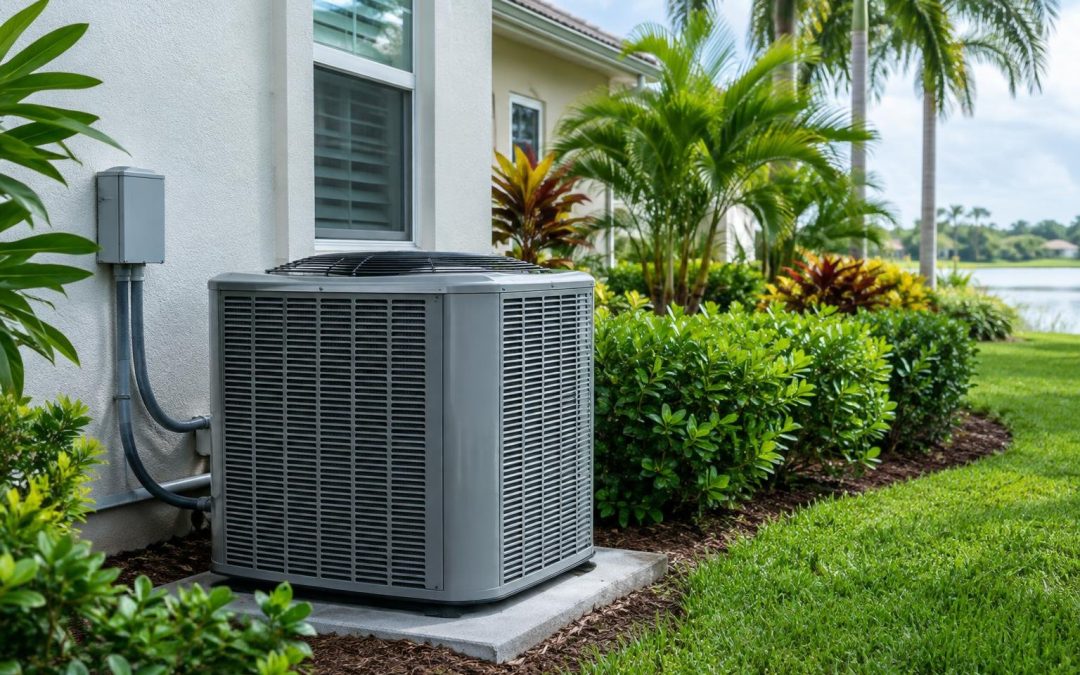
An air conditioner usually cycles on and off as it maintains the thermostat setting. But if your system starts, runs briefly, shuts down, and then starts again soon after, it may be short cycling. In Sarasota County, that pattern can affect comfort and humidity control, and repeated starts put extra demands on system components.
Short cycling describes a pattern, not a diagnosis. Several issues can cause it, from a simple airflow restriction to a thermostat or equipment problem. Knowing what to observe—and what you can safely check—can help you decide when to call for AC repair in Sarasota.
What short cycling looks like
Pay attention to what happens after the thermostat calls for cooling. Does the outdoor unit start and stop repeatedly? Does the system shut off before the home feels comfortable, then restart a short time later? Are some rooms still warm while the thermostat area feels cool? These details can help a technician narrow down the cause.
There is no single run time that applies to every home. Outdoor temperature, humidity, insulation, system capacity, and the home’s cooling demand all affect cycle length. A consistently repeated pattern of unusually brief runs is more informative than one short cycle on a mild day.
Why repeated starts deserve attention
During a cooling cycle, the system removes heat from indoor air. It also removes some moisture as air passes over the indoor coil. If the equipment shuts off before it has run long enough to meet the home’s needs, rooms may feel clammy or uneven even when the thermostat briefly reaches its setting.
Frequent starts can also increase wear on components that operate during startup. Short cycling may be caused by a problem that gets worse if left unaddressed, so it is sensible to investigate a persistent pattern rather than repeatedly resetting the thermostat and hoping it stops.
Common reasons an AC may short cycle
Restricted airflow
A heavily loaded air filter, blocked return grille, or closed supply vents can limit airflow. Depending on the system and the severity of the restriction, poor airflow may contribute to temperature or safety-control problems that interrupt a cooling cycle. Check the filter and make sure furniture, curtains, or stored items are not blocking grilles.
Use a filter that matches the equipment’s requirements. A filter that is too restrictive for a particular system can also affect airflow. If you are unsure which type to use, check the unit documentation or ask an HVAC technician.
Thermostat settings or location
A thermostat can misread conditions if it is affected by direct sunlight, a nearby supply vent, or another localized heat source. Incorrect settings, low batteries in some models, or a control fault may also lead to irregular operation. Confirm the thermostat is set to cooling and that the temperature setting is appropriate; avoid repeatedly changing it to force the system to run.
Equipment sizing or cooling demand
An air conditioner that is oversized for the home may cool the area around the thermostat quickly, shut off before other rooms are comfortable, and restart soon afterward. Correct sizing depends on more than floor area: factors such as the home’s layout, windows, insulation, air leakage, and local climate matter. If short cycling began after a new installation, have the system’s sizing and setup reviewed.
Coil, refrigerant, or control problems
Dirty coils, a refrigerant-system issue, a faulty sensor, or an electrical control problem can interrupt normal operation. Some of these faults require specialized testing and repair. Ice on the indoor coil or refrigerant line, unusual buzzing, repeated clicking, or a unit that shuts down soon after starting are good reasons to stop troubleshooting and arrange service.
Safe checks you can make
Before contacting an HVAC company in Sarasota County, you can make a few basic observations without opening the equipment cabinet:
- Check whether the air filter is visibly dirty and replace it if needed, following the equipment’s filter requirements.
- Make sure return grilles and supply vents are not blocked by rugs, furniture, or other objects.
- Confirm the thermostat is set to cooling and note its displayed temperature and setting.
- Look from a safe distance to see whether leaves or other debris are obstructing the outdoor unit. Do not reach inside or remove panels.
- Write down how often the system starts and stops, whether it cools the home, and any unusual sounds or signs of ice.
If you see ice, switch the system off at the thermostat and contact a technician for guidance. Avoid chipping at ice or opening electrical or refrigerant compartments. If a breaker trips repeatedly, do not keep resetting it; arrange professional service.
What a technician may inspect
A service visit typically starts with the symptoms and operating history you provide. A technician may check airflow, the filter and coils, thermostat operation, system controls, and relevant safety devices. Depending on what they find, they may also evaluate the refrigerant system, electrical components, and whether the equipment is appropriately matched to the home.
These checks help distinguish a maintenance concern from a component fault or a sizing issue. Ask the technician to explain the cause and the proposed repair before work begins. If the system is relatively new or the problem appeared after recent service, mention that history.
When repair or replacement may be considered
Many short-cycling problems can be traced to a repairable fault or operating condition, but the right answer depends on the equipment’s age, condition, repair history, and performance. If the system has recurring problems or does not cool the home evenly, ask for an assessment of both the immediate cause and the overall condition of the equipment.
For an older system, air conditioning replacement may be worth discussing when repairs are frequent or the equipment no longer meets the home’s needs. A replacement recommendation should account for a proper home assessment and equipment sizing, not just the capacity of the existing unit. The goal is dependable operation and suitable comfort for the space.
Keep an eye on the pattern
One brief cycle does not necessarily mean something is wrong. A repeated pattern—especially with poor cooling, clammy-feeling rooms, ice, or unusual sounds—is more significant. Simple checks such as inspecting the filter and keeping vents clear can help, but they do not replace a professional diagnosis when the issue continues.
If your AC keeps starting and stopping, contact AC Heroes to discuss service in your area, or call (941) 724-7127.
Frequently Asked Questions
How can I tell if my AC is short cycling?
A repeated pattern of unusually brief cooling runs followed by frequent restarts may be short cycling. Cycle length varies with the home and weather, so look for a persistent pattern rather than relying on one exact run-time threshold.
What are common causes of short cycling?
A dirty filter, blocked airflow, thermostat issues, equipment sizing, or a system fault can contribute. A technician can inspect the equipment and determine which cause applies.
What can I safely check before calling for service?
Check the filter, clear blocked grilles, confirm the thermostat is set to cooling, and observe the outdoor unit from a safe distance. Do not open equipment panels or handle electrical or refrigerant components.
When should I call an HVAC technician?
Persistent short cycling, poor cooling, ice on the indoor coil or refrigerant line, unusual sounds, or repeated shutdowns warrant professional attention. If a breaker trips repeatedly, do not keep resetting it.
Does short cycling mean I need a new air conditioner?
It depends on the system’s condition, repair history, performance, and suitability for the home. A technician can diagnose the current problem and discuss whether repair or replacement makes sense.
Sources
- What Is AC Short Cycling: Causes, Effects, and Troubleshooting
- Understanding Air Conditioner Short Cycling
- AC Short Cycling: Causes, Fixes and When to Call a Pro
- [PDF] Ventilation and Air Conditioning Systems – Florida Building Code
- Why Does My AC Keep Turning On and Off? 7 Causes & Fixes
- Energy-Efficient Management of Mechanical Ventilation and Relative …
- [PDF] HB 1185 Thermal Efficiency Standards for Unvented Attic and …
- Short Cycling Air Conditioner: Causes and Fixes